The Great Wall of China at Mutianyu: Scenic, Historic and Less Crowded
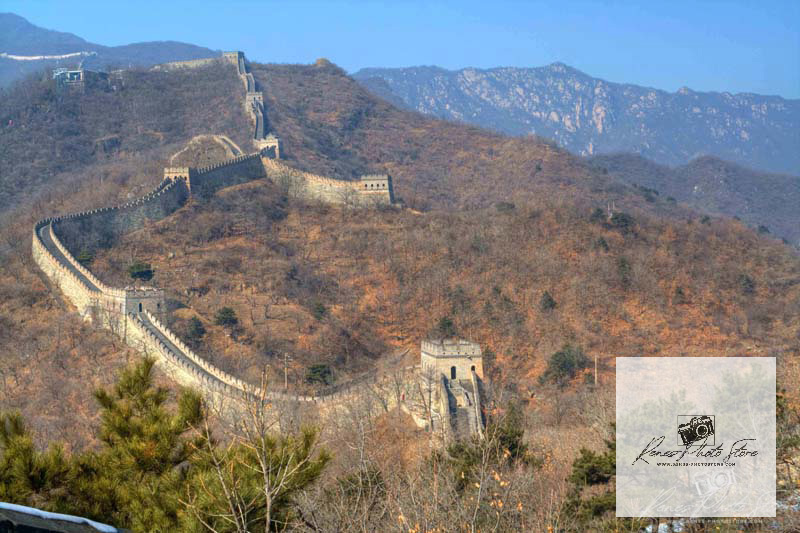
The Great Wall of China at Mutianyu is one of the most beautiful and best-preserved sections of the Great Wall, combining dramatic mountain scenery with rich Ming Dynasty history. Unlike the busier Badaling section, Mutianyu offers a more relaxed atmosphere, making it ideal for photographers, families and travelers seeking space to explore. Here, dense forests, stone watchtowers and snaking ramparts create the perfect setting for sunrise vistas and golden-hour shots.
Located in Huairou District, around 70–75 kilometers northeast of central Beijing, Mutianyu is close enough for a comfortable day trip yet far enough to feel like an escape into the mountains. Modern facilities such as cable cars, chairlifts and a famous toboggan ride make access easy without taking away from the site’s ancient character. As a restored Ming-era wall with intact watchtowers and double-sided battlements, Mutianyu combines comfort, safety and authenticity in one compelling destination.
History and significance of Mutianyu
The Mutianyu section of the Great Wall took shape during the Ming Dynasty, when the capital was in Beijing and frontier defenses were crucial. Built on earlier foundations and extensively rebuilt around the 14th century, this stretch guarded a key approach to the capital from the north. Thanks to its strategic position between Gubeikou in the east and Juyong Pass in the west, Mutianyu served as a protective barrier against invasions and raids.
Architecturally, Mutianyu is known for its robust stone construction and unusually dense sequence of watchtowers. Many of these towers are placed only a short distance apart, allowing soldiers to communicate quickly and coordinate defense. Some towers are connected by unique multi-level structures, such as Zhengguan Terrace, which combines three towers into one formidable complex. For visitors, these elements are not just historically interesting; they also create a variety of viewpoints, angles and compositions for photography.
Today, Mutianyu is recognized as one of the finest examples of Ming Great Wall engineering. Extensive restoration has preserved its ancient character while making it safe for modern tourists. The balance between preservation and accessibility allows travelers to experience the scale and ingenuity of the original builders. Walking along the ramparts, you can almost imagine signal fires, soldiers on patrol and the constant vigilance required to protect the empire.
Why Mutianyu is ideal for visitors
Many travelers consider Mutianyu the best section of the Great Wall near Beijing because it offers a rare combination: iconic Great Wall views without overwhelming crowds. Its location, slightly further from the city than Badaling, naturally filters out some of the largest tour groups. This creates more breathing room on the wall itself, which is especially valuable for photography, slow exploration and moments of quiet reflection.
The scenery at Mutianyu is another major draw. The wall follows steep mountain ridges surrounded by thick woodland, offering ever-changing views through the seasons. In spring, fresh green leaves and blossoms frame the grey stone; in summer, the forest becomes lush and deep; in autumn, fiery red and golden foliage sets the wall ablaze with color; in winter, a dusting of snow transforms Mutianyu into a monochrome landscape of stone and ice. Each season offers its own mood and photographic possibilities.
For families and casual walkers, Mutianyu is approachable without being tame. The paths are generally well maintained, and visitors can choose between easier, flatter stretches or steeper climbs for those wanting a workout. Cable cars and chairlifts reduce the physical effort required to reach the wall, while the toboggan ride back down adds a dose of fun. Cafes, restaurants and rest areas at the base make it easy to plan a comfortable day out, even with children or older travelers.
Experiencing the wall: routes and viewpoints
A typical visit to the Great Wall of China at Mutianyu starts at the visitor center, where you purchase your ticket and take a shuttle bus to the lower station. From there, you can hike up to the wall or choose a cable car or chairlift, depending on your fitness level and time. The cable car usually drops visitors near one of the central towers, providing quick access to panoramic views in both directions.
Once on the wall, you can walk east or west along the ramparts. One direction often offers slightly gentler gradients, while the other includes steeper, more dramatic climbs up to higher towers. The higher you go, the more the wall appears to stretch endlessly along the mountain ridges, creating classic postcard scenes. For many visitors, the most memorable moments come from pausing on a watchtower balcony, feeling the wind and taking in the sweeping vistas of stone and forest.
Photographers should plan to spend several hours on the wall itself. Early morning and late afternoon light are especially rewarding, casting long shadows and softening the stone’s texture. Wide-angle lenses emphasize the wall’s curvature and length, while telephoto lenses let you isolate distant watchtowers and repeating crenellations. Even a smartphone can capture dramatic images here, thanks to the natural leading lines and high vantage points that the wall provides.
Practical tips for visiting Mutianyu
To make the most of your trip to Mutianyu, start by planning your timing. Arriving early in the morning or later in the afternoon helps you avoid peak tour bus crowds and gives you gentler light for photos. Weekdays are generally quieter than weekends or holidays. If you are a serious photographer, consider staying flexible with your schedule to catch clear skies or interesting clouds.
Wear comfortable walking shoes with good grip, as some sections of the wall are steep and the stone steps can be uneven or slippery. Even though modern infrastructure makes access easier, you will still be climbing and descending more than on a typical city walk. In summer, bring water, sunscreen, a hat and light layers; in winter, dress warmly, especially if you plan to spend a long time on the exposed ramparts.
Most travelers will reach Mutianyu from Beijing by private car, taxi, tour bus or public transport with a transfer. Booking a driver or joining a small-group tour can simplify logistics, particularly if you do not speak Chinese. However, independent travel is entirely feasible with some advance planning. Allow enough time not just for travel but also for waiting in lines for tickets, shuttle buses and cable cars, especially during busy seasons.
Why Mutianyu is perfect for travel photography
For photographers and visual storytellers, the Great Wall of China at Mutianyu is a dream location. The wall’s curves, staircases and repeating patterns naturally draw the eye, making composition intuitive and dynamic. Morning mist, shifting clouds and the interplay of light and shadow add atmosphere to almost every frame. Whether you are capturing sweeping landscapes or tight architectural details, Mutianyu offers endless variety.
One effective approach is to combine wide, establishing shots with more intimate scenes. Start with panoramas that show the wall twisting along the ridgeline, then move closer to capture textured stone, age-worn steps and the rhythm of crenellations. People can add scale and emotion to your images: a lone figure walking along the wall, a couple resting on a step, or a group pausing to admire the view. Try shooting from low angles to emphasize the height of the towers or from tower windows to frame the surrounding mountains.
If your photography centers on travel prints, wall art or fine art collections, Mutianyu images work beautifully as both standalone pieces and as part of a larger series about China. Black-and-white conversions highlight the graphic shapes of the wall and the contrast between stone and sky. Color images can emphasize the seasonal palette, from soft spring greens to bold autumn reds. With the right timing and perspective, you can create timeless photographs that convey both the monumentality and the quietness of this iconic place.uct description using this framework.