Cuandixia is a 500‑year‑old mountain village near Beijing, famous for its well‑preserved Ming and Qing dynasty courtyard houses and tranquil rural scenery. It sits about 90 km west of central Beijing in Mentougou District, making it an easy escape from the Chinese capital into “old China.”wikipediayoutubediscoverbeijingtour
What is Cuandixia?
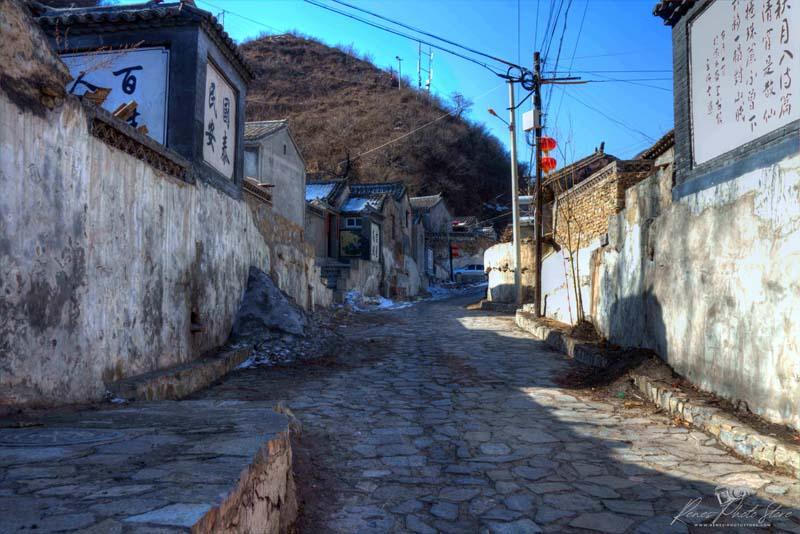
Cuandixia is a historic mountain village dating back to the Ming dynasty, known for its dense cluster of grey‑brick courtyard homes built along steep hillsides. The village is often described as a “time‑capsule” of traditional northern Chinese life, with stone‑paved alleys, carved wooden doors and traditional architectural layouts based on feng shui principles.youtubetrip+2
The settlement was founded by members of the Han clan who migrated from Shanxi Province during the Ming period. Over centuries, Cuandixia prospered as a stop on an old post road through the Jingxi mountain region, trading coal, fur and grain before slipping into quiet obscurity in the modern era.discoverbeijingtour+2
Where is Cuandixia?
Cuandixia is located in Zhaitang Town, Mentougou District, Beijing, roughly 90 km west of downtown Beijing in the mountains west of the city. It lies in a narrow valley surrounded by layered mountain ridges, which gives the village its enclosed, secluded atmosphere and makes the approach a scenic drive along winding roads.youtubetrip+1youtube+1discoverbeijingtour
Administratively, the village is part of Beijing Municipality but feels worlds away from the capital’s modern skyline. Because of this, Cuandixia is popular as a one‑ or two‑day escape for Beijingers and visitors who want to experience traditional countryside life without leaving the province.trip+1youtubediscoverbeijingtour
History of Cuandixia Village
Cuandixia’s history stretches back over 500 years to the early 16th century, when the first Han families established the village during the Ming dynasty. Many of the courtyards and alleyways that visitors see today were built in the Ming and later refined during the Qing dynasty, making the architecture a layered record of both eras.youtubewebofproceedings+1youtubediscoverbeijingtour
By the late Qing period, Cuandixia had become relatively prosperous thanks to its position on a commercial route and its involvement in regional trade. A local legend even tells of a villager who resembled the Kangxi Emperor and supposedly received imperial support to build some of the grander courtyard residences that still stand.webofproceedings+2
Architecture and village layout
Cuandixia is famous for its dense concentration of traditional courtyard houses (siheyuan), built of grey brick and stone and arranged along the slope of Longtou Mountain. From above, the village fans out in a sycee (ingot) shape, with narrow lanes and staircases threading between stacked terraces of homes.wikipediayoutubetrip+1
Most houses follow feng shui rules, with carefully planned axes, courtyards, and orientation to capture sunlight and shelter from mountain winds. Stone‑paved paths, weathered door couplets, and ancestral halls create a strong sense of historical continuity that attracts photographers, painters and film crews.youtubetrip+3
Life in the village today
Today, only a few dozen families—many still with the surname Han—live permanently in Cuandixia, preserving local traditions while adapting to tourism. Several of the old courtyard homes have been converted into simple guesthouses offering home‑cooked meals and basic lodging, allowing visitors to sleep inside authentic historic architecture.youtubetrip+3
Despite its rising popularity, the village retains a quiet, lived‑in feel, especially in the early morning and evening when day‑trippers have left. You can see villagers drying corn, burning firewood in traditional stoves and tending small plots terraced into the hillsides, giving a glimpse into rural rhythms just outside modern Beijing.tripyoutube+2
Why visit Cuandixia?
Cuandixia appeals to travelers who want to experience traditional Chinese architecture, mountain scenery and village life in a compact, walkable setting. The combination of stone alleyways, layered courtyards and dramatic valley views makes it highly photogenic, particularly at sunrise, sunset and in seasons with colorful foliage.youtubediscoverbeijingtouryoutube+1trip
The village also works well as a base for short hikes on nearby mountain trails, which offer panoramic views back over the tiled roofs. For those interested in cultural heritage, Cuandixia is one of the best‑preserved ancient villages in the Beijing region and is often cited as a model of vernacular northern Chinese mountain architecture.tours4mobile+3youtubetrip
Practical travel tips
Most visitors reach Cuandixia by car or bus from Beijing, with the journey taking around two to three hours depending on traffic. Because of its compact size, the village itself can be explored in a couple of hours, though staying overnight allows time for evening walks, stargazing and early‑morning photography without crowds.discoverbeijingtour+1youtubetrip
The best times to visit are spring and autumn, when temperatures are mild and the surrounding mountains are either lush green or covered in red and gold leaves. Wear comfortable shoes for climbing steep stone steps, and plan to bring cash for entrance fees, homestays and small eateries, as payment options can be limited.tours4mobileyoutubetrip+1