
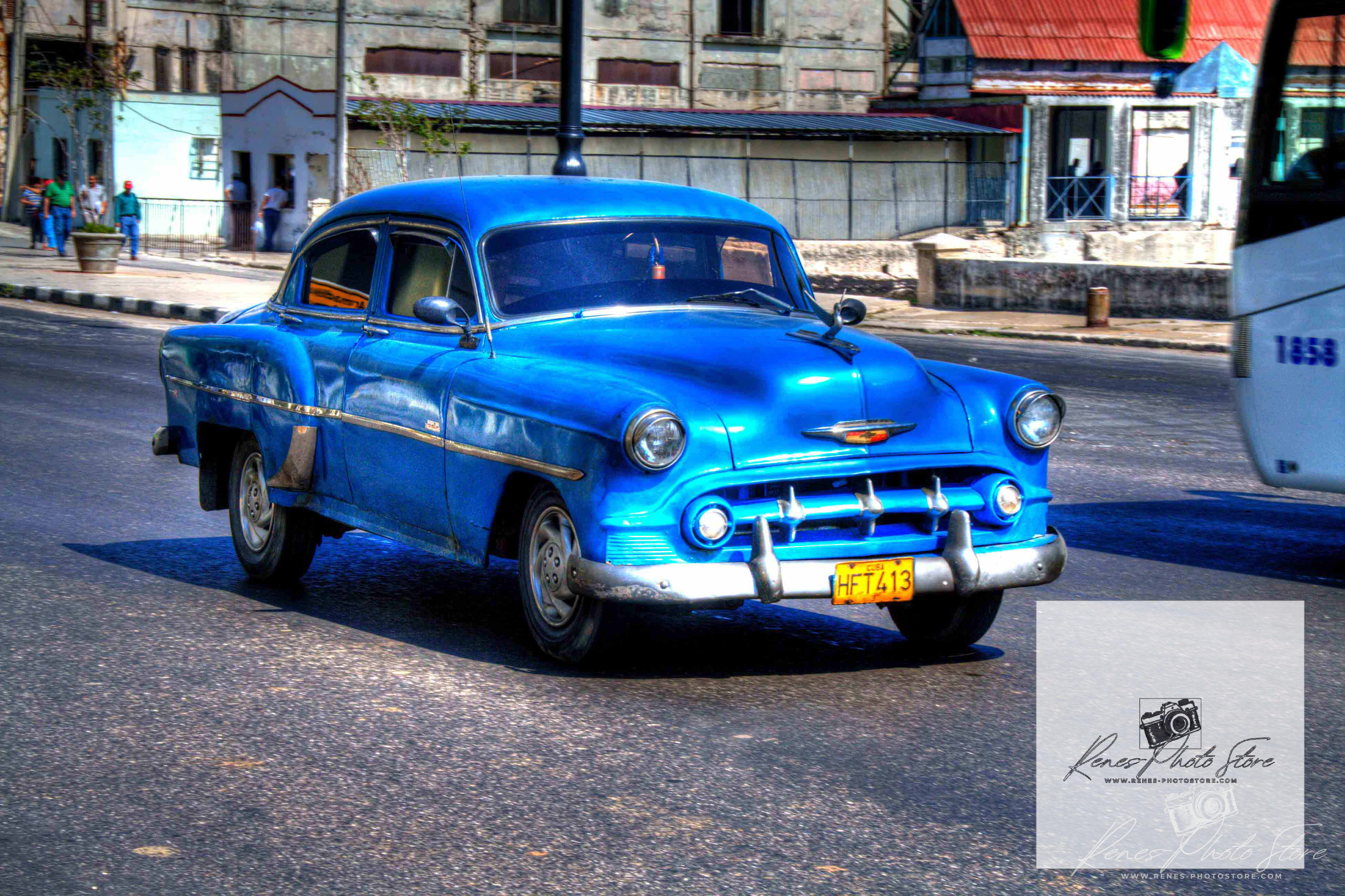
Cuba is an island where time seems to have paused in the mid-20th century. One of its most striking visuals — and favorite subjects for photographers — is the sight of glossy, pastel-colored Chevrolets, Buicks, and Cadillacs cruising down Havana’s boulevards. These “American oldtimers,” as they are often called, aren’t just a tourist attraction. They tell a fascinating story of politics, ingenuity, and cultural resilience.
A Snapshot from the 1950s
Before the Cuban Revolution of 1959, Cuba had one of the highest car ownership rates in Latin America. American automakers, especially General Motors, Ford, and Chrysler, found a booming market in the island’s thriving middle class. Havana was only 90 miles from Florida, and cars were shipped in directly from Detroit’s factories. From sleek 1950s convertibles to sturdy work trucks, Cuban streets mirrored modern America.
However, that all changed when Fidel Castro came to power.
The U.S. Embargo and Its Ripple Effect
Following the revolution, the U.S. imposed a trade embargo on Cuba in 1960. This embargo banned the export of American goods, including car parts. Suddenly, Cubans couldn’t import vehicles or even simple replacement components like spark plugs or carburetors.
Instead of abandoning their beloved cars, Cubans held on to them — repairing, repurposing, and reimagining ways to keep them alive. The embargo froze their automobile ecosystem, trapping the island in an automotive time capsule. What remains today is a living museum of American automotive craftsmanship.
A Testament to Cuban Ingenuity
Cuban mechanics, known as maestros, became artists in the art of car preservation. Deprived of official parts, they scavenged, welded, and engineered workarounds. It’s common to find a 1954 Chevrolet powered by a Soviet diesel engine, with handmade gaskets and transmission components derived from a tractor.
These cars are not relics sitting in dusty garages — they’re daily drivers. The average Cuban family car has seen more repairs than most vehicles in the world, each fix extending its life against the odds.
From Necessity to National Identity
What began as a crisis of scarcity evolved into a cultural symbol. The old American cars, lovingly maintained and brightly painted, have become emblematic of Cuban identity. They represent resilience, resourcefulness, and nostalgia.
To visitors, they evoke glamour — a cinematic backdrop of chrome and leather against faded colonial facades. But to Cubans, they are a reminder of perseverance through decades of hardship and isolation.
Tourism and the Classic Car Economy
In modern Cuba, these vintage vehicles have gained new life as key players in the tourism industry. With their retro charm, they command premium rates for taxi tours in Havana and beyond. Tourists eagerly pose beside a gleaming 1957 Chevrolet Bel Air or ride along the Malecón in a cherry-red Buick convertible for the perfect photo.
Behind each restored car is a story — a family’s legacy, a labor of love, and often decades of resourceful repair. Owning one is both a passion and a survival strategy, given the scarcity of modern vehicles and the high cost of importing them.
The Role of Soviet Influence
During the Cold War, Cuba’s automotive landscape expanded with Soviet imports — Ladas, Moskvitches, and Volgas — but those vehicles never captured hearts like their American predecessors. While Soviet models were functional, they lacked the sleek design and symbolic flair of Detroit’s golden age. As a result, American classics retained their cultural dominance, representing both the past and a form of silent resistance against modernity imposed from outside.
Why These Cars Still Matter Today
In a world obsessed with the new, Cuba is a reminder that beauty and craftsmanship can endure. The American cars in Cuba are more than mechanical survivors — they are cultural touchstones. They’ve become global icons through photography, film, and art.
Travel photographers and documentary creators find endless inspiration in their patina, their symmetry, and their human stories. Each frame seems to capture a conversation between eras — between pre-revolution opulence and contemporary resilience.
As Cuba cautiously opens to global engagement, these vehicles serve as both bridge and barrier. They lure visitors in, yet remind them of how isolation shaped Cuban life.
Photography and the Emotional Pull of Oldtimers
Photographing American oldtimers in Cuba is not just about capturing shiny cars — it’s about capturing history in motion. The polished body panels reflect Havana’s baroque architecture, while their rumbling engines echo a bygone world.
These scenes appeal to nostalgia-loving audiences worldwide. Every photograph of an oldtimer against the turquoise sea or the sunset-washed streets of Trinidad tells an intertwined story of endurance and beauty.
If you’ve ever stood on a Havana street corner as one of these classics breezes past, you’ve witnessed more than a car — you’ve witnessed 60 years of Cuban history rumbling by.