Is Miami Worth Visiting? Discover the Magic of the Magic City
Few cities blend energy, style, and natural beauty quite like Miami. With its pastel art deco skyline, palm-fringed beaches, and rhythm of multicultural life, Miami has become synonymous with sunshine and luxury. But beyond the glamor, the question often arises among first-time travelers: Is Miami worth visiting? Let’s explore what makes the Magic City one of the most distinctive and rewarding destinations in the United States.
A City Where Cultures Collide
One of Miami’s strongest appeals is its cultural diversity. Over 70% of Miami’s population identifies as Latino or Hispanic, creating a fascinating blend of Cuban, Colombian, Venezuelan, and Caribbean influences. That vibrancy is evident in everything—from the language you hear on the streets to the food served in local cafés.
Must-visit neighborhoods like Little Havana and Wynwood showcase the city’s artistic and cultural depth. Little Havana’s Calle Ocho is alive with cigar makers, music-laced air, and family-run bakeries serving guava pastries. Wynwood, on the other hand, represents Miami’s creative future, with towering murals and independent galleries that have transformed a once-industrial area into an open-air museum.
Sun, Sand, and Sea: Miami’s Beaches
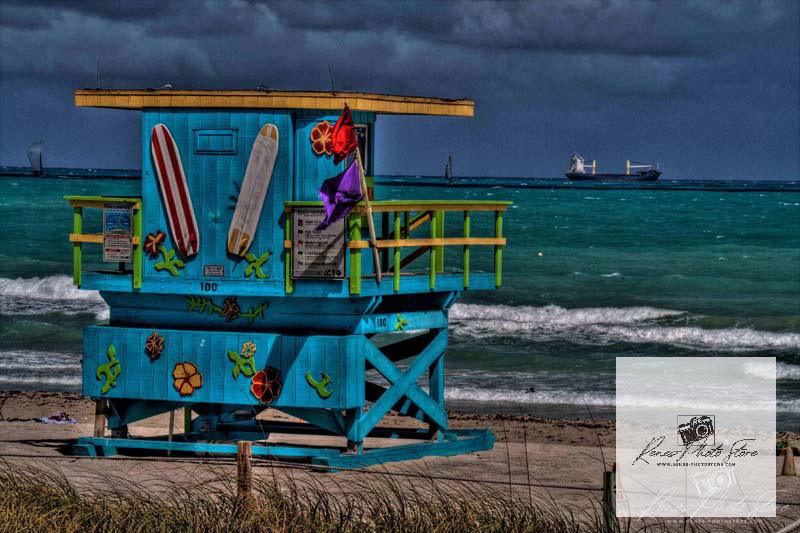
When people imagine Miami, they think of sunbathers lined along South Beach under pastel lifeguard towers, seagulls circling overhead, and the Atlantic sparkling turquoise just a few meters away. But each beach in Miami has its own personality.
-
South Beach: The quintessential Miami experience—glamorous, crowded, and full of energy. Expect high-end hotels, celebrity sightings, and bustling nightlife.
-
Crandon Park Beach (Key Biscayne): Family-friendly, with calm waters and BBQ areas shaded by palm trees.
-
Haulover Beach: Known for its open-minded vibe and stunning stretches of soft sand.
No matter your travel style—relaxation, recreation, or people-watching—Miami’s beaches deliver a perfect mix of sunshine and spectacle.
The Beat of Miami’s Nightlife
Miami’s reputation as a nightlife capital is well earned. When the sun sets, the city transforms. The neon lights of Ocean Drive flicker on, and bars begin to pulse with Latin beats, deep house, and live jazz.
The Design District and Brickell cater to those craving style and sophistication, with rooftop lounges serving craft cocktails and breathtaking city views. Clubs like LIV at the Fontainebleau and E11EVEN attract international DJs and partygoers from around the world. Even if clubbing isn’t your thing, there are countless beach bars, hidden speakeasies, and sunset spots to explore.
Nature Beyond the City Limits
Despite its reputation for urban excitement, Miami also offers a surprising amount of natural beauty. Just a short drive from downtown lies the Everglades National Park, a UNESCO World Heritage Site home to alligators, herons, and dazzling sunsets. You can take an airboat ride through the wetlands or go kayaking through mangrove tunnels.
For a more tranquil retreat, head toward Fairchild Tropical Botanic Garden in Coral Gables—an oasis of orchids, butterflies, and exotic plants. These experiences show that Miami isn’t just a city—it’s part of one of America’s most unique ecosystems.
Miami’s Architectural Story
Architecture enthusiasts will find Miami endlessly fascinating. The city boasts the largest collection of Art Deco buildings in the world, centered around the South Beach Art Deco Historic District. The colors—mint green, baby blue, and soft pink—capture the nostalgic charm of 1930s design.
Venturing downtown, you’ll encounter sleek modern skyscrapers, while in Coral Gables, Mediterranean Revival mansions line tree-shaded boulevards. This architectural blend of old and new mirrors Miami’s cultural evolution—a city that honors its heritage while embracing innovation.
Food That Feeds the Soul
Food in Miami is more than a culinary experience—it’s an expression of its identity. The city’s cuisine celebrates fusion like nowhere else. Savor a Cuban sandwich in Little Havana, eat stone crab claws at Joe’s Stone Crab, or sip a stylish cocktail at Time Out Market in South Beach.
Seafood is abundant, and farm-to-table restaurants are thriving. Whether you’re an adventurous eater or a comfort-food lover, Miami’s food scene satisfies every craving.
When to Visit Miami
The best time to visit Miami is from November to April, when temperatures range from 20°C to 27°C, skies are blue, and humidity remains low. This is peak season for events like Art Basel Miami Beach, which draws artists and collectors from across the globe.
Summer months bring humid heat and occasional tropical storms, but they also mean fewer crowds and lower prices. For photographers, this season offers dramatic light and dreamy sunsets—perfect for capturing Miami’s raw beauty.
Why Miami Is Worth Visiting (and Photographing)
If you’re asking whether Miami is worth visiting, the answer is an emphatic yes. The city’s combination of art, nature, nightlife, and oceanfront charm makes it a complete travel experience. Each moment feels cinematic—from vintage convertibles cruising Ocean Drive to pastel sunsets over Biscayne Bay.
For photographers, Miami is a paradise. Its colors, contrasts, and rhythms capture the essence of modern coastal life. The city feels alive with movement and emotion, a place where every corner tells a story worth framing.